
In this coure you will learn all about Ensuring Safe Operations in Aviation, Work Health & Safety (WHS)
- Teacher: Michael Parmenter


Access tailored courses designed for airside, terminal, technical, and corporate staff — all in one place.
Stay up to date with safety, compliance, and operational standards across all airport functions.
Flexible, self-paced modules let you complete training when it suits your schedule.
Monitor your course completions, quiz results, and download certificates anytime.
In this coure you will learn all about Ensuring Safe Operations in Aviation, Work Health & Safety (WHS)

Contractor Airside Induction
for working airside or in aviation-sensitive areas at any aerodrome. It is intended to support safe, controlled and compliant aerodrome operations during routine maintenance, minor works, vegetation works, electrical works, pavement works, inspections, emergency response support, tenant works and any other contractor activity that may affect aerodrome operations.
This induction does not replace a Method of Working Plan (MOWP), Safe Work Method Statement (SWMS), Job Safety and Environmental Analysis (JSEA/JSA), Council site induction, Aerodrome Manual requirement, permit to work, or any direction issued by the Airport Manager, ARO, WSO or Council representative.
|
Applies To |
|
All contractors, subcontractors, consultants, suppliers, delivery drivers, maintenance personnel, mowing/sweeping operators, pest-control contractors, electrical/lighting technicians, surveyors, emergency support personnel and visitors who require access to airside, airside-adjacent, landside operational, or aerodrome-controlled work areas. |
This course provides comprehensive training on aerodrome lighting systems and inspection procedures, equipping participants with the knowledge required to manage, inspect, and maintain lighting in accordance with regulatory and operational standards.
The first section focuses on aerodrome lighting fundamentals, including aerodrome layout, minimum lighting requirements, additional lighting systems, and the role of secondary and standby power supplies. It also covers portable lighting, and the operational requirements for light intensity, colour, and control systems to ensure safe aircraft movement during day and night operations.
The second section concentrates on aerodrome lighting inspections, detailing how to conduct thorough inspections of runway, threshold, taxiway, apron, and approach lighting systems. It also addresses wind indicators, obstruction lighting, PAPI and VASIS systems, signage lighting, and lighting in the vicinity of the aerodrome. Participants will learn inspection frequencies, outage management, repair and restoration processes, switchboard and control system checks, and correct alignment procedures.
Overall, the course develops practical competency in maintaining safe, compliant, and operationally effective aerodrome lighting systems, supporting airside safety and continuous aircraft operations.
This course provides a concise overview of Obstacle Limitation Surfaces (OLS) and their role in protecting airspace for safe aircraft operations. It covers the key elements of OLS for both non-precision and precision runways, including approach, transitional, take-off, and additional precision-specific surfaces.
Learners will explore how to identify and manage obstacles, including temporary, transient, and growing hazards, as well as lighting requirements and actions required when obstacles infringe OLS.
The course also introduces aerodrome obstacle charts (Type A, B, and C) and explains their practical use. An overview of declared distances (TORA, TODA, ASDA, LDA), including basic calculations, obstacle considerations, and the application of NOTAMs.
By the end of the course, participants will understand how to assess obstacles and apply key aerodrome safety principles.
AVIB0002 – Inspect and Report on Aerodrome Serviceability provides participants with the skills and knowledge required to conduct aerodrome inspections, assess operational serviceability, and accurately report conditions that may affect the safety of aircraft operations.
The course covers aerodrome physical characteristics, facilities, markings, signage, and obstacle limitation surfaces, along with the use and maintenance of critical aerodrome documentation such as Aerodrome Manuals, inspection reports, ERSA, NOTAMs, and Method of Works Plans. Participants learn when and how inspections are required, including runway, taxiway, pavement, lighting, OLS, and FOD inspections.
Emphasis is placed on identifying, recording, and reporting inspection findings, including urgent defects, temporary and permanent changes, and safety-critical issues. The course also introduces aerodrome maintenance considerations, work health and safety obligations, and the serviceability of vehicles, radios, lighting, electrical systems, and meteorological equipment.
This unit is suitable for Aerodrome Reporting Officers and personnel responsible for maintaining aerodrome operational safety and regulatory compliance.
This course provides essential knowledge for the safe and compliant operation of vehicles within the airside environment. It covers airside vehicle requirements, including approved vehicles, mandatory markings, equipment, and daily pre-start checks.
Participants will learn the applicable airside driving rules and regulatory requirements, including permit systems, speed limits, driver training obligations, DAMP requirements, and controls to prevent unauthorised entry.
The course also introduces aerodrome markers, markings, signs, lighting, and signals to support safe navigation on runways, taxiways, aprons, and helipad areas. Procedures for operating under ATC clearances and within CTAF environments are explained.
Key airside hazards such as jet blast, prop and rotor wash, FOD, and runway incursions are identified, along with incident, breach, and runway incursion reporting requirements, including ATSB and immediately reportable matters.
AVIC0001 – Drive on the Airside provides personnel with the essential knowledge and practical understanding required to safely operate vehicles within the airside environment. The course covers airside access requirements, hazards, rules and markings, vehicle and driver responsibilities, radio communications, and reporting obligations. Emphasis is placed on situational awareness, human factors, and compliance with aerodrome procedures to prevent incidents and maintain safe aircraft and vehicle operations. Successful completion supports authorisation to drive airside in approved areas in accordance with aviation and Defence safety requirements.
Welcome to Oz Airports! This onboarding course is designed to guide you through everything you need to know as you begin your journey with us.
You’ll be introduced to our values, safety standards, operational procedures, and workplace expectations — ensuring you are equipped with the knowledge and confidence to thrive in your role.
Company overview and culture
Airport safety and compliance procedures
HR policies and code of conduct
Workplace bullying and harassment awareness
Digital systems and communication tools
Key contacts and support resources
Mandatory for all new staff and contractors
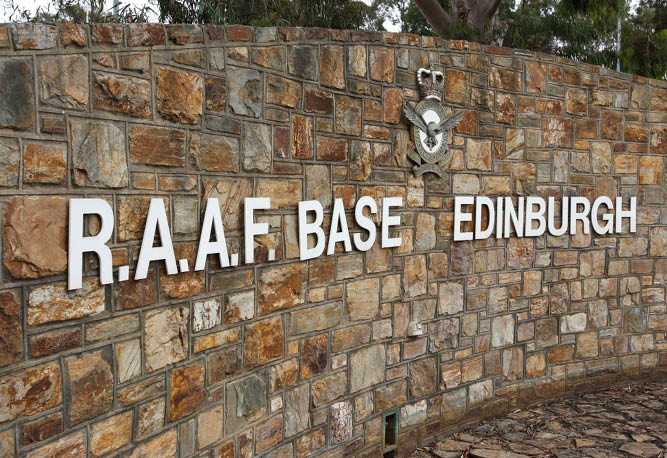
Role: Aerodrome Reporting Officer (ARO) / Work Safety Officer (WSO)
This course provides Aerodrome Reporting Officers (ARO) and Work Safety Officers (WSO) with the essential knowledge and competencies required to safely operate within the airside environment at RAAF Base Edinburgh. It covers base access requirements, airside hazards, driver authority and application processes, vehicle and apron operations, runway and taxiway safety, radio communications, human factors, aircraft safety, emergency procedures, and mandatory airside reporting obligations. The course also addresses protection of critical infrastructure, navigation aids, explosive ordnance loading areas, and Defence-specific operational protocols. Successful completion of the knowledge and practical assessments supports authorisation to perform ARO/WSO duties within approved airside categories and zones, in accordance with Defence and aviation safety requirements.
This induction course introduces Oz Airports personnel to their obligations and responsibilities under Australia’s Work Health and Safety (WHS) legislation.
Through interactive modules, you’ll gain knowledge about key laws, hazard identification, PPE use, risk management, emergency response, and workplace behaviour.
Target Audience:
Oz Airports employees, contractors, and subcontractors.
Estimated Duration: 30–45 minutes
Requirement: 80% pass mark on the final quiz
Certificate: Issued automatically upon successful completion
Version 1.0
This course explores the hidden risks of digital distractions in the workplace and their impact on safety, productivity, and decision-making.
You’ll learn about the causes of digital overload, review relevant WHS legislation, and gain practical tools to manage distraction risks on the job.
Target Audience:
Oz Airports employees, contractors, and subcontractors.
Estimated Duration: 30–45 minutes
Requirement: 80% pass mark on the final quiz
Certificate: Issued automatically upon successful completion
Version 1.0
This course provides Oz Airports staff with essential training on recognising, preventing, and responding to workplace bullying and harassment.
Through engaging modules, you’ll explore real-world examples, understand legal obligations, and learn how to foster a respectful and inclusive work environment.
The program aligns with Work Health and Safety (WHS) legislation and outlines your responsibilities, reporting processes, and support resources.
Target Audience:
Oz Airports employees, contractors, and subcontractors.
Estimated Duration: 30–45 minutes
Requirement: 80% pass mark on the final quiz
Certificate: Issued automatically upon successful completion
Version 1.0
This course provides mandatory training for all personnel performing or available to perform Safety-Sensitive Aviation Activities (SSAA) at Oz Airports.
This DAMP education presentation will raise employee awareness of the effects of drugs and alcohol on SSAA.
By completing this training, you will:
Understand your responsibilities under the Drug and Alcohol Management Plan (DAMP)
Learn about the risks of Alcohol and Other Drugs (AOD) in the workplace
Recognize the procedures for testing, intervention, and self-referral
Successfully complete a final assessment and receive a certificate of completion
Target Audience:
Oz Airports employees, contractors, and subcontractors involved in SSAA roles.
Estimated Duration: 30–45 minutes
Requirement: 80% pass mark on the final quiz
Certificate: Issued automatically upon successful completion
Version 1.0
Welcome to the Oz Airports Document Resource Library — your centralized hub for accessing essential documents, manuals, forms, and training materials. This library is designed to support staff across all departments by providing quick, searchable access to up-to-date resources.
Browse by category, download official templates, review safety manuals, or access training support materials — all in one place. Documents are organized for easy access and updated regularly to reflect current standards and procedures.
This course provides essential training on Displaced Thresholds in airport operations.
Participants will learn to recognise displaced threshold areas, understand key safety protocols, and identify hazards involved in aircraft operations such as landing, take-off, and emergencies.
You will also gain insight into the responsibilities of the WSO, emergency evacuation procedures, and critical safety communications.
Target Audience:
Oz Airports employees, contractors, and subcontractors.
Estimated Duration: 30–45 minutes
Requirement: 80% pass mark on the final quiz
Certificate: Issued automatically upon successful completion
Version 1.0
This is a sample course for training